Understanding Winter's Impact on Immune Health
Updated: 5 days ago
The Impact of Cold Air on Immune Function
When temperatures drop, there's a noticeable change in the conditions around us. The cold and dry air slows down the mucus lining in our nose and upper airways. This lining plays a crucial role in trapping and clearing out microbes before they can take hold. However, when it dries out, its ability to function effectively diminishes, allowing viruses a better chance at invading our systems.

Moreover, colder climates can reduce circulation to our extremities and slightly slow some immune responses in our respiratory tract. This doesn’t mean our immunity shuts down completely, but it does mean that our bodies take a bit longer to respond to invaders. The combination of decreased mucus efficacy and increased indoor exposure enhances the likelihood of becoming ill during the winter months.
Predictable Issues from Cold Weather
Understanding how the body reacts to cold helps to explain the various symptoms many experience during this season. For instance, sinus congestion is common when blood vessels in the nose constrict due to the cold air. This constriction dries out the nasal passages, making them more reactive and prone to inflammation.
Tight breathing can also be an issue as cold air irritates the airways, often leading to bronchial constriction. This is particularly problematic for individuals with existing sensitivities. The effort required to breathe under these conditions increases overall physical stress, which in turn impacts the body’s resilience to infections.

Additionally, many people experience stiff and aching muscles during winter. This discomfort can be attributed to reduced circulation in cold conditions, making tissues feel tighter and more reactive. While this isn't strictly an immune issue, the physical stress often influences the immune response.
Travel Stress During the Holiday Season
Amid the cold air and its effects, holiday travel exacerbates immune challenges. Traveling during the holidays often introduces a myriad of stressors, making the season even harder for our immune systems. Whether you’re hopping from one relative’s house to another or enduring long flights, constantly shifting between temperatures and environments can create an ongoing strain.
The immune system thrives on consistency, and travel seldom provides that stability. The need to frequently recalibrate internal systems as you move in and out of heated buildings can sap energy, leaving less available for immune defenses. Furthermore, confined spaces like airplanes, gas stations, and crowded airports concentrate airborne microbes, increasing the potential for exposure to the stress of holiday travel.
The Psychological Toll of Holiday Stress
Holiday gatherings not only bring the joy of connection but often introduce physical stressors as well. Increased cortisol levels during stressful times can diminish immunity over time. For some people, the excitement of the holidays is coupled with stress, and prolonged elevations of cortisol can detrimentally affect immune functions.
Moreover, the holiday season tends to throw our regular eating schedules off balance. Rich meals and irregular eating patterns can disrupt digestion, which plays a significant role in immunity. A large portion of the immune system is tied to gut health. When digestion gets upset, the immune system often faces consequences as well.
Strengthening Your Immune Resilience This Winter
Understanding the interaction between cold weather, stress, and immunity allows you to take actionable steps to bolster your defenses during winter. Knowing that cold air dries out mucous membranes, maintaining hydration becomes even more important. Incorporating warm fluids, herbal teas, and soups into your diet can help keep mucus production normal.
In parallel, taking care of your skin can also enhance your overall defense. A dry and cracked skin barrier can be a vulnerable point for infections. Utilizing moisturizers regularly helps maintain skin integrity, reducing the likelihood of microbes breaching this first line of defense.
Additionally, even though holiday travel can’t be avoided, there are ways to reduce its impact. Consider travel times carefully to ensure adequate rest and hydration. If flying, make a point to stay hydrated and limit alcohol consumption, as both can exacerbate dehydration.
Finally, one of the best defenses against winter illness is to maintain a healthy lifestyle. Regular exercise, a balanced diet rich in vitamins A, C, D, and E, and proper sleep hygiene will contribute to a stronger immune system overall.
Additionally, techniques such as mindfulness, meditation, or even light yoga can be beneficial for managing holiday-related stress. Easy breathing exercises can also help mitigate the tightness experienced in cold air, benefiting both mental and physical health.
A New Approach to Winter Health
In summary, the factors influencing winter illnesses are predictable, not random. Cold air slows down key defenses, travel increases exposure to germs, and elevated stress levels can suppress immune function over time. Instead of letting the changing seasons take you down with them, embrace understanding and proactive measures.
By recognizing how these elements can converge to impact your health, you can implement simple lifestyle adjustments to bolster your immune system. Prepare for cold weather by focusing on hydration, skin care, and stress management. Instead of attributing winter fatigue to a vague “winter illness,” you can take a more proactive and informed approach to stay healthy all season long.
Embracing Herbal Remedies for Winter Wellness
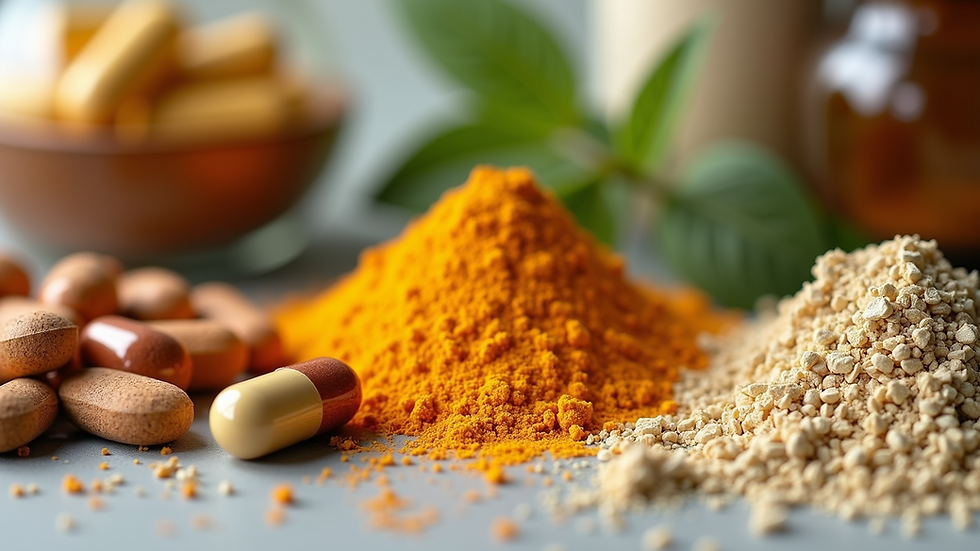
One of the best ways to support your immune system during winter is through herbal remedies. Incorporating natural supplements can provide your body with essential nutrients and support your overall well-being. For example, herbs like echinacea and elderberry are known for their immune-boosting properties.
I often find that a warm cup of herbal tea can be comforting during the chilly months. Not only does it help keep you hydrated, but it also offers a moment of calm amidst the holiday hustle. If you're interested in exploring more about herbal options, feel free to check out the wide range of carefully sourced herbal products available at CrimsonCloverShop.
By integrating these natural wellness strategies into your routine, you can enhance your resilience against winter ailments. Remember, taking care of yourself is not just about avoiding illness; it’s also about nurturing your body and mind during this beautiful, yet challenging season.
The Importance of Community Support
During winter, it’s easy to feel isolated, especially with the challenges that come with the season. Connecting with others can provide emotional support and encouragement. Sharing experiences and tips with friends or family can make a significant difference in how one copes with winter's challenges.
Consider organizing small gatherings or virtual meet-ups to share herbal remedies, recipes, or wellness tips. This not only strengthens bonds but also fosters a sense of community. When we come together, we can uplift each other and navigate the winter months with greater ease.
Conclusion: Embrace the Season with Confidence
Winter can be a tough season for many, but it also offers opportunities for growth and resilience. By understanding the effects of cold weather on our bodies and taking proactive steps, we can enhance our immune health and overall well-being.
Embrace the season with confidence. Equip yourself with knowledge, nurture your body, and connect with your community. Together, we can make this winter a time of health, warmth, and connection.


Comments